

Future of Accounting with AI

As we stand on the brink of a technological revolution, the accounting profession is undergoing significant changes driven by advancements in artificial intelligence (AI). For new accountants and finance professionals, this transformation raises important questions: Is it still worth pursuing a career in accounting? How can one adapt to the evolving landscape? In this blog post, we will explore the future of accounting in the age of AI, the skills needed to thrive, and how to position yourself as a valuable asset in this changing environment.
Understanding the Impact of AI on Accounting
AI is not just a buzzword; it is a powerful tool that is reshaping various industries, including accounting. The integration of AI technologies is expected to automate routine tasks, streamline processes, and enhance decision-making capabilities. Here are some key areas where AI is making an impact:
Data Entry Automation: AI can handle repetitive data entry tasks with speed and accuracy, reducing the need for manual input.
Basic Bookkeeping: AI systems can manage basic bookkeeping functions, allowing accountants to focus on more strategic tasks.
Data Analysis: AI can analyze large datasets quickly, providing insights that can inform business decisions.
Fraud Detection: AI algorithms can identify unusual patterns in financial data, helping to detect and prevent fraud.
The Evolving Role of Accountants
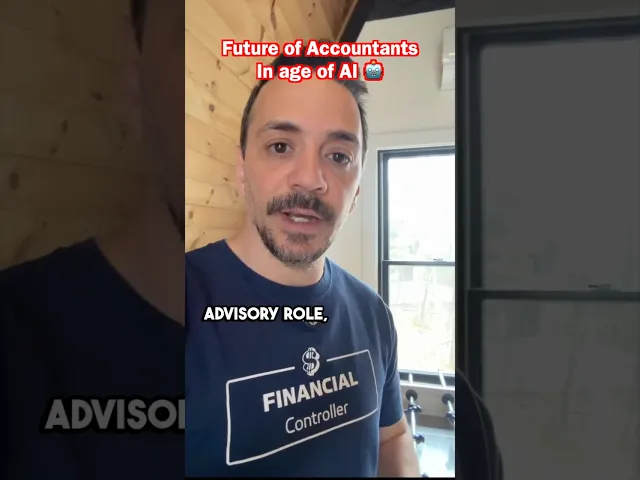
As AI takes over routine tasks, the role of accountants is evolving. No longer will accountants be confined to data entry and basic bookkeeping. Instead, they will need to embrace a more advisory role. Here are some ways to evolve your career in accounting:
Focus on Business Understanding: Develop a deep understanding of how accounting impacts the overall business. This knowledge will enable you to provide valuable insights to stakeholders.
Enhance Communication Skills: As an advisor, you will need to communicate complex financial information in a way that is understandable to non-financial stakeholders.
Leverage Technology: Familiarize yourself with AI tools and software that can enhance your efficiency and effectiveness.
Continuous Learning: Stay updated on industry trends and advancements in AI to remain relevant in your field.
Preparing for the Future: Skills to Develop
To thrive in the future of accounting, it is essential to develop a diverse skill set that goes beyond traditional accounting knowledge. Here are some key skills to focus on:
Analytical Skills: The ability to analyze data and draw meaningful conclusions will be crucial as AI takes over basic tasks.
Strategic Thinking: Accountants will need to think strategically about how financial decisions impact the business as a whole.
Technical Proficiency: Familiarity with AI tools and accounting software will be essential for efficiency and accuracy.
Interpersonal Skills: Building relationships with clients and stakeholders will be key to providing valuable advice and insights.
AI vs. Human Intelligence: The Unique Value of Accountants
While AI can perform many tasks, there are certain areas where human intelligence remains irreplaceable. Here are some aspects where accountants can add unique value:
Contextual Understanding: AI may analyze data, but it lacks the ability to understand the context and history behind the numbers.
Emotional Intelligence: Accountants can empathize with clients and stakeholders, providing a human touch that AI cannot replicate.
Storytelling: The ability to convey the story behind the numbers is a skill that only humans possess, making it essential for effective communication.
Ethical Judgment: Accountants must navigate ethical dilemmas and make decisions that align with professional standards and values.
Adapting to Change: Strategies for New Accountants
For those just starting their careers in accounting, adapting to the changes brought about by AI is crucial. Here are some strategies to consider:
Seek Mentorship: Find a mentor who can guide you through the evolving landscape of accounting and provide valuable insights.
Engage in Networking: Build a professional network to learn from others and stay informed about industry trends.
Invest in Education: Consider pursuing additional certifications or courses that focus on AI and technology in accounting.
Be Open to Change: Embrace the changes that AI brings and be willing to adapt your skills and approach accordingly.
The Future is Bright: Opportunities in Accounting
Despite the challenges posed by AI, the future of accounting is filled with opportunities. As businesses increasingly rely on data-driven decision-making, the demand for skilled accountants who can interpret and analyze data will continue to grow. Here are some potential career paths to consider:
Financial Analyst: Analyze financial data to help businesses make informed decisions.
Business Advisor: Provide strategic advice to businesses based on financial insights.
Data Analyst: Focus on analyzing data trends and patterns to inform business strategies.
Compliance Officer: Ensure that businesses adhere to financial regulations and standards.
Conclusion: Embracing the Future of Accounting
The future of accounting is undoubtedly intertwined with advancements in AI. While some may view this as a threat, it is essential to recognize the opportunities that lie ahead. By evolving your skills, embracing technology, and focusing on the unique value that human accountants bring to the table, you can position yourself for success in this changing landscape. The key is to adapt, learn, and grow as the profession evolves. The future is bright for those who are willing to embrace change and become valuable advisors in the world of accounting.